

Wagtail
Flexible open-source CMS with headless APIs and strong editorial tools
Overview
Wagtail is the leading open-source Python CMS built on Django. It supports both traditional and headless sites via REST and GraphQL APIs with a beautiful editing experience.
BSD 3-Clause
Best for:
Features
Pricing
Compatible Technologies
Technical Features
Community
20100
GitHub Stars
Enterprise Features
Multi-tenant Support
Wagtail supports multi-site setups out of the box, where multiple sites share one admin, server, and database. It can also run in a multi-instance setup for stronger separation by deploying multiple instances with separate databases and media. Wagtail does not support full multi-tenancy in a single instance with fully isolated tenants.
Scalability
Horizontal scaling and high-availability deployments
Security & Compliance
Find Wagtail Experts
Looking for professional help with your Wagtail project? Here are top certified agencies and developers.
Top Agencies

Alpina Tech
#1 RecommendedCraft custom, responsive websites using expert code and stunning design. Build your site with a flexible CMS and premium hosting to boost your digital presence.
Successive Digital
#1 RecommendedSuccessive Digital is a modern technology consulting partner built for enterprises that want to scale with confidence.

FocusReactive
#1 RecommendedWeb development agency with deep expertise in the headless CMS market.

Alloy
Alloy is a marketing and transformation partner for the age of intelligence full of creative thinkers and problem solvers whose results-oriented work extends throughout the Americas, Europe and the Middle East.

Tentwenty Digital Agency
Tentwenty Digital Agency specializes in addressing complex client challenges through a combination of cutting-edge UI/UX design and seamless technical integration.
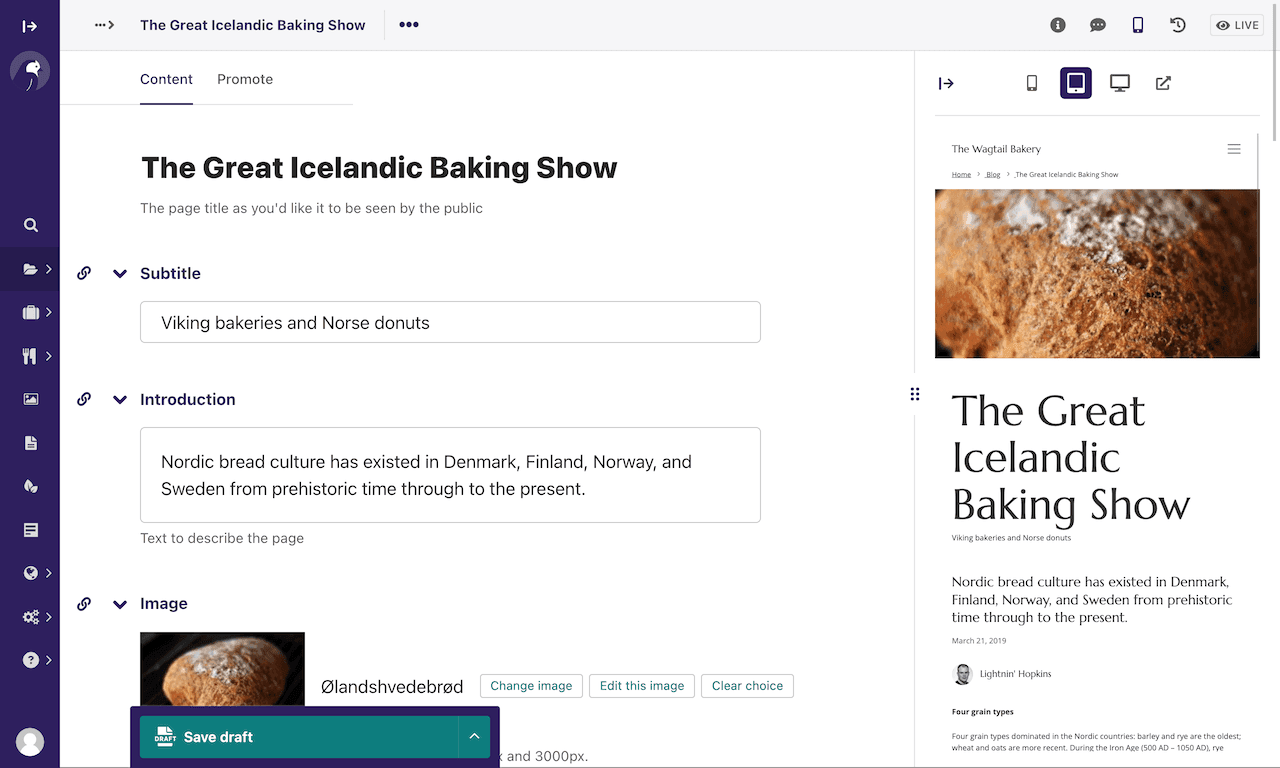
Wagtail is an open-source CMS built on Django with a full admin UI and optional headless delivery. It includes a built-in JSON API for retrieving content as structured field data. Use it when you want flexible content models, strong editorial workflows, and the ability to power multiple sites or frontends.
Best For
- Teams building Django-based content platforms
- Projects needing editorial workflows and permissions
- Sites that want optional headless delivery via API
Key Benefits
- Built-in JSON API for content delivery
- Granular permissions and moderation workflows
- Extensible via packages and customization hooks
Why Developers Like It
- Django-based foundation with customizable models and admin
- Headless support with REST options and clear limitations documented
Common Use Cases
- Marketing sites
- Multi-site portfolios
- Content-driven web apps
- Editorial workflows and approvals
- Headless frontends consuming JSON content
Setup Snapshot
- Hosting Options: Self-hosted. Deploy as a standard Django app; multi-site and multi-instance configurations are documented.
- Content Modeling: Define content using page models, snippets, and flexible field structures such as StreamField.
- Delivery: Built-in JSON API; headless guidance discusses REST and GraphQL approaches (REST is native).
Caveats
- Headless support has documented limitations; some features need workarounds or are incomplete.