

unite cms
Flexible headless CMS on Symfony
Overview
Unite CMS is an open-source headless content management system built with Symfony. It provides a GraphQL API for managing and delivering structured content. Developers define content models and access data through a schema-driven GraphQL endpoint. Unite CMS is designed for projects that require flexible content structures and API-first delivery. It runs as a self-hosted PHP application and integrates into custom web architectures. The project is maintained publicly on GitHub and targets developers building decoupled applications with structured content needs.
MIT
Best for:
Features
Pricing
Compatible Technologies
Technical Features
Community
400
GitHub Stars
2026-02-11
Last Update
Enterprise Features
Multi-tenant Support
Manage multiple sites or projects from a single instance
Scalability
Horizontal scaling and high-availability deployments
Security & Compliance
Find unite cms Experts
Looking for professional help with your unite cms project? Here are top certified agencies and developers.
Top Agencies

Alpina Tech
#1 RecommendedCraft custom, responsive websites using expert code and stunning design. Build your site with a flexible CMS and premium hosting to boost your digital presence.
Successive Digital
#1 RecommendedSuccessive Digital is a modern technology consulting partner built for enterprises that want to scale with confidence.

GRANITE
We are a global digital transformation partner with over 160 industry experts, delivering comprehensive digital solutions across experience design, technology engineering, digital marketing, brand innovation, and video production.

10x Media
10x Media is a boutique web development agency located in Bavaria (Germany) with additional hubs in Sofia (Bulgaria) and Santiago (Chile). We’re a core team of 8 people, and we don’t just code: we combine strategy, design, development, and project management, covering everything needed to bring high-impact digital solutions to life.

Alloy
Alloy is a marketing and transformation partner for the age of intelligence full of creative thinkers and problem solvers whose results-oriented work extends throughout the Americas, Europe and the Middle East.
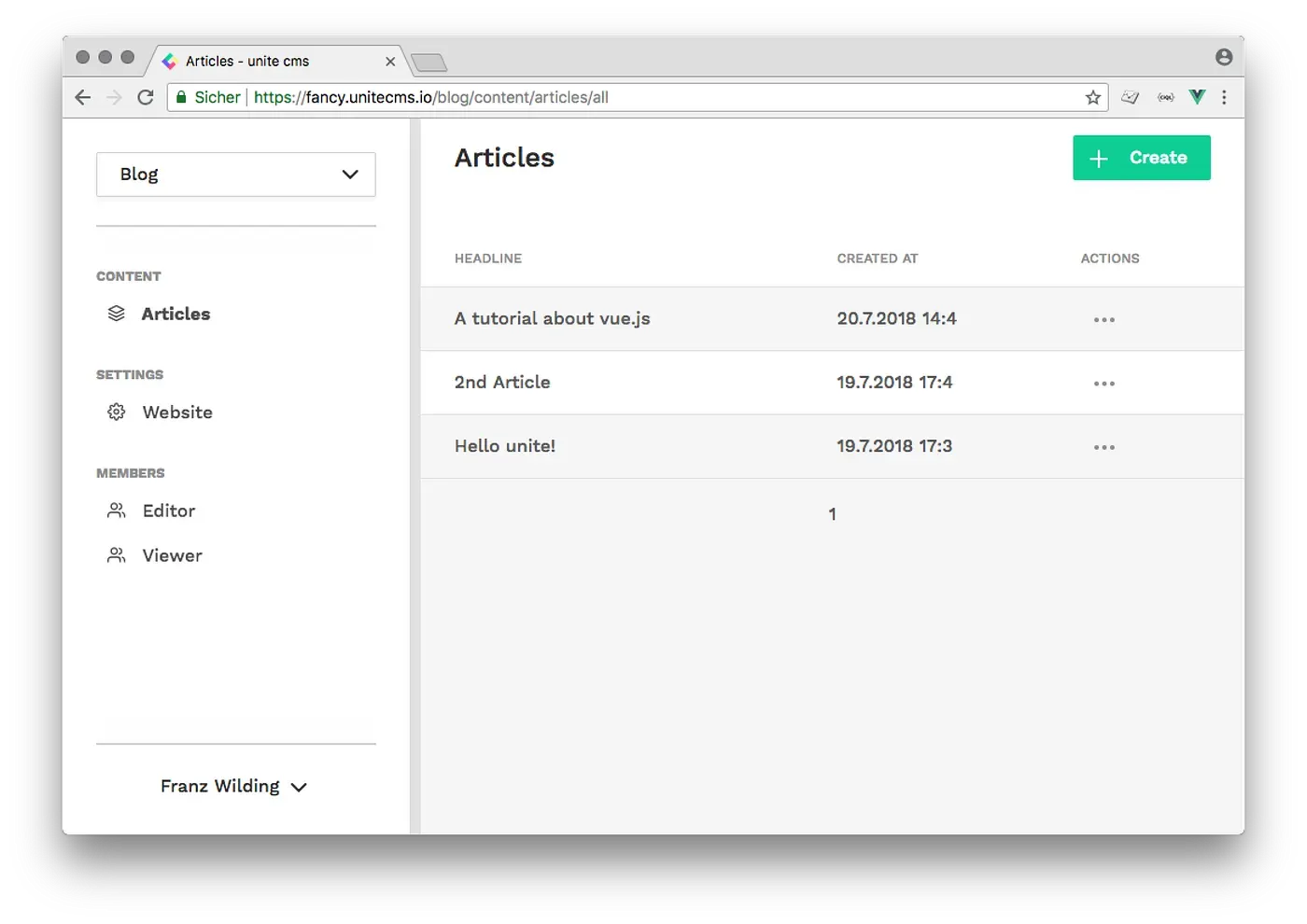
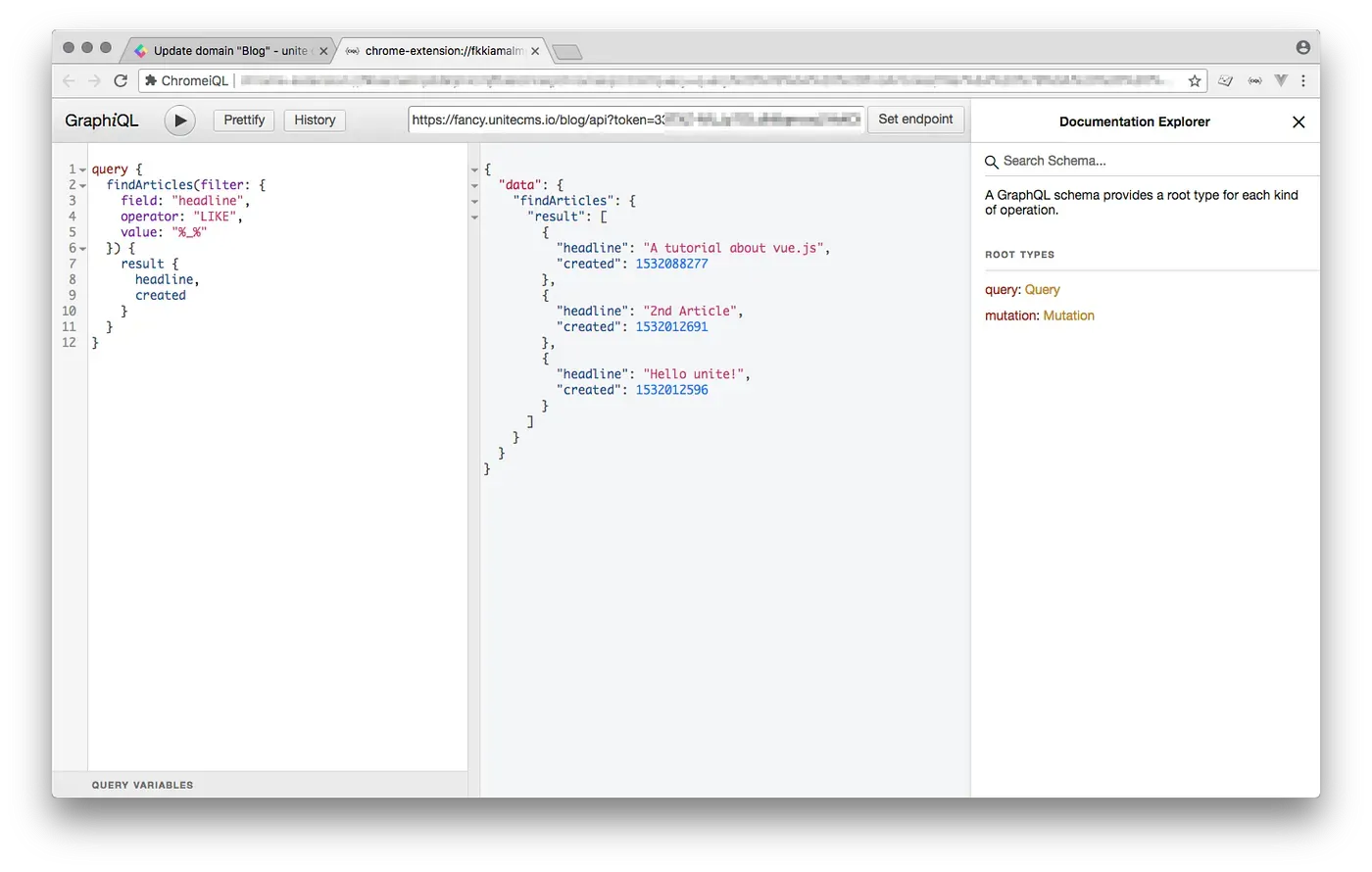
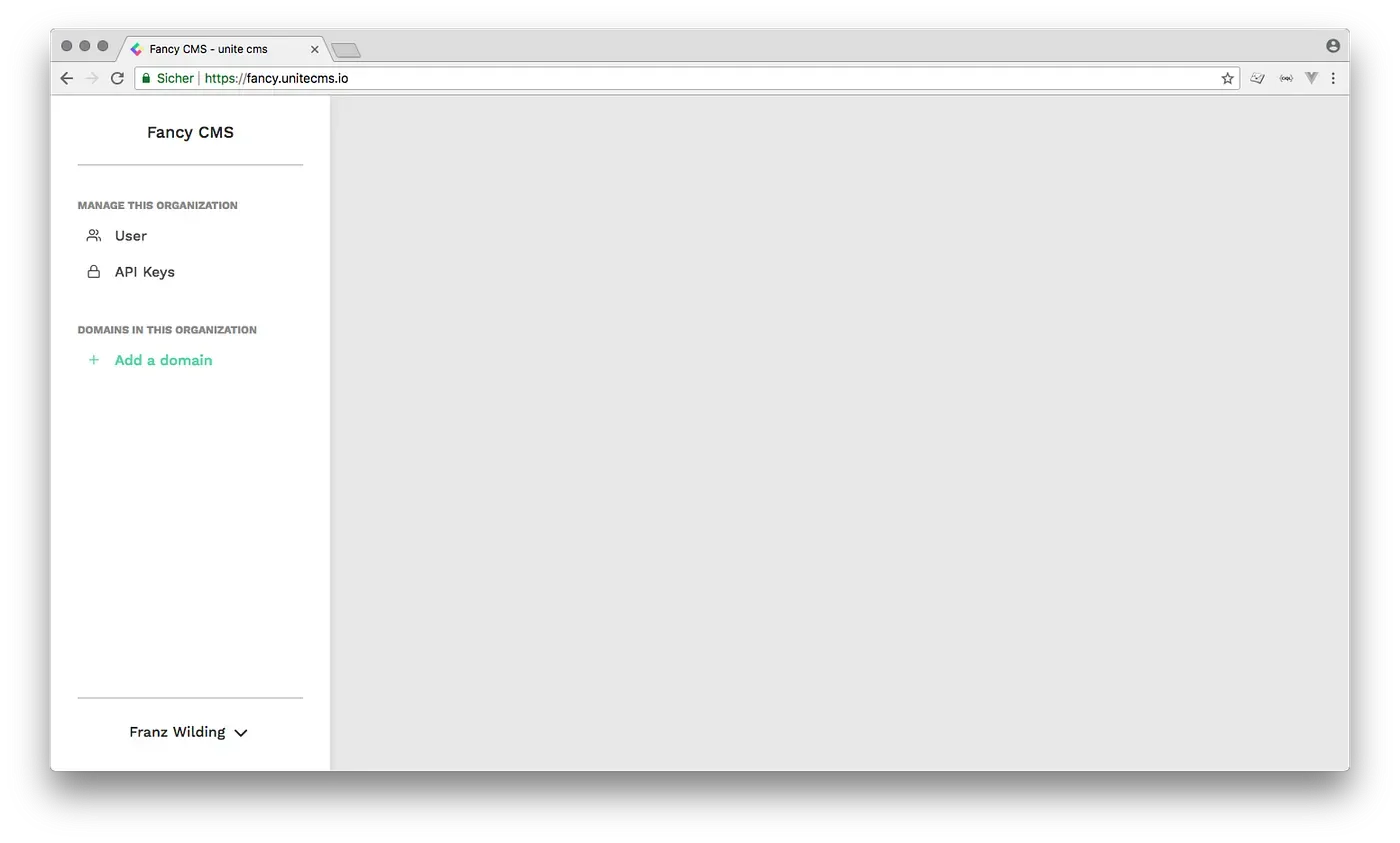
Unite CMS is an open-source headless CMS built on Symfony, designed to give developers and content teams a unified platform for managing structured content across multiple domains and applications. It takes a schema-first approach, where the entire content model is defined through GraphQL schemas, making it inherently API-driven from the ground up.
Key Features and Benefits
What distinguishes Unite CMS from many alternatives is its declarative content modeling — developers define content types, fields, and relationships directly through GraphQL schema definitions, which the platform then translates into a fully functional admin interface and API layer automatically. This approach ensures tight consistency between the content management backend and frontend integration points. The system supports fine-grained user permissions, content versioning, and webhook-based event triggers that allow developers to build automated workflows. Its Symfony foundation provides a mature, well-tested codebase that can be extended with custom plugins and field types to address specific project needs.
Use Cases and Target Audience
Unite CMS is a fitting choice for developers and agencies managing multi-project environments where consistent content architecture matters. It works well for teams building multilingual websites, multichannel publishing platforms, or applications that require a centralized content management hub with a schema-driven API that mirrors how modern frontend frameworks consume data.