

TerminusCMS
Open-source graph database with document and API access.
Overview
TerminusDB is an open-source graph database designed for structured and linked data. It supports document storage and graph relationships, with APIs for querying and managing data. Developers use TerminusDB to model complex data structures, track changes, and build data-driven applications. It provides HTTP APIs and a query language for interacting with stored documents and graph data. TerminusDB can be self-hosted and is maintained as an open-source project. It is suited for applications that require versioned data, schema control, and linked data management.
Best for:
Features
Pricing
Compatible Technologies
Technical Features
Community
1900
GitHub Stars
1k+
Discord Members
Enterprise Features
Multi-tenant Support
Manage multiple sites or projects from a single instance
Scalability
Horizontal scaling and high-availability deployments
Security & Compliance
Find TerminusCMS Experts
Looking for professional help with your TerminusCMS project? Here are top certified agencies and developers.
Top Agencies

Alpina Tech
#1 RecommendedCraft custom, responsive websites using expert code and stunning design. Build your site with a flexible CMS and premium hosting to boost your digital presence.

NOTUM
#1 RecommendedWe are CMS-centered agency with 7 years of CMS experience. We build scalable corporate websites for scale-ups with headless CMS solutions. From design to deployment, we deliver complete, reliable support.

10x Media
10x Media is a boutique web development agency located in Bavaria (Germany) with additional hubs in Sofia (Bulgaria) and Santiago (Chile). We’re a core team of 8 people, and we don’t just code: we combine strategy, design, development, and project management, covering everything needed to bring high-impact digital solutions to life.

GRANITE
We are a global digital transformation partner with over 160 industry experts, delivering comprehensive digital solutions across experience design, technology engineering, digital marketing, brand innovation, and video production.

QBurst
QBurst is a digital engineering company that crafts delightful client experiences through AI-driven software engineering and data solutions.
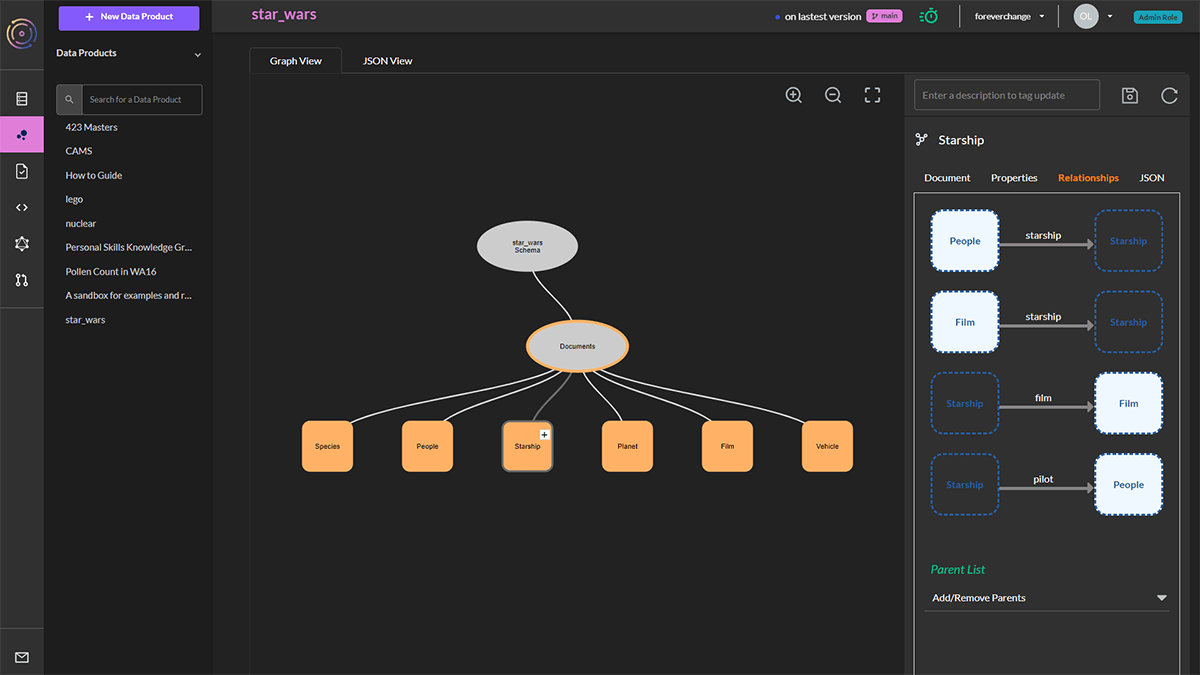
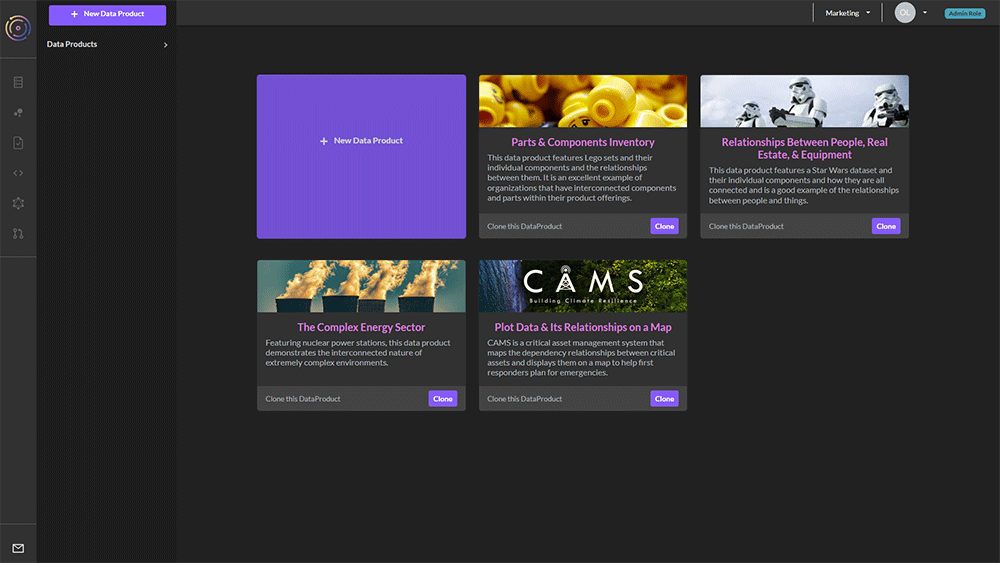
TerminusCMS is an open-source headless CMS built on TerminusDB, a document graph database that stores content as interconnected JSON documents within a knowledge graph. Designed with a developer-first philosophy, it goes beyond traditional content management by enabling organizations to semantically link content, data, and relationships across complex enterprise environments.
Key Features and Benefits
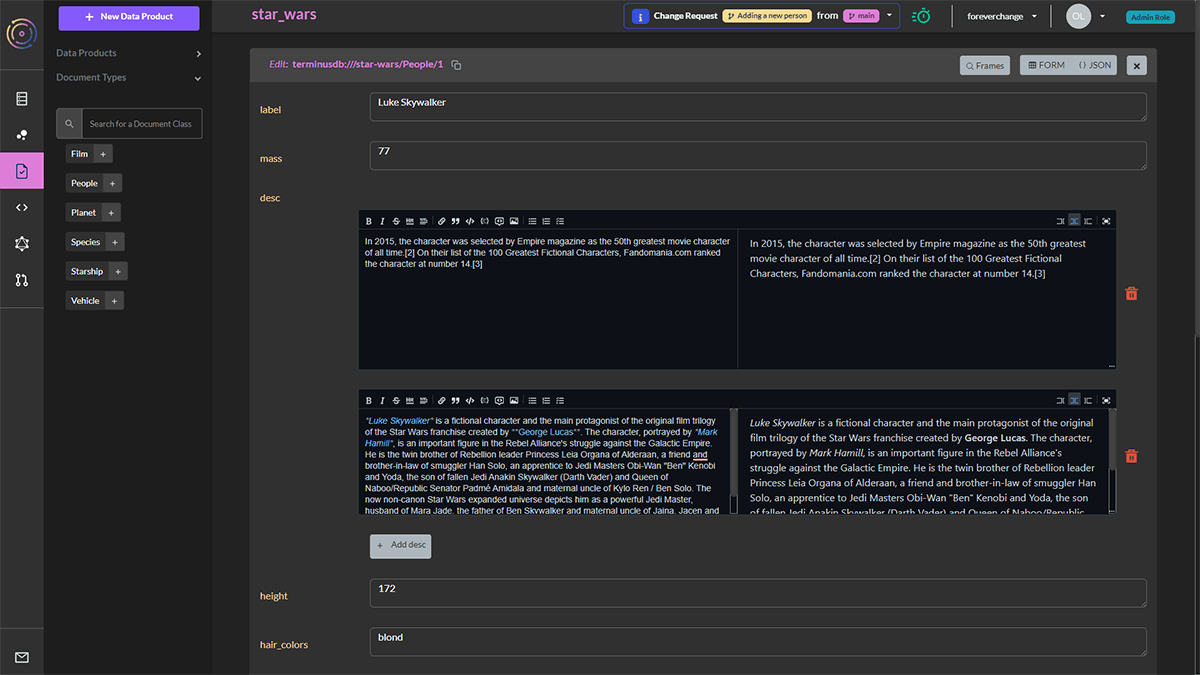
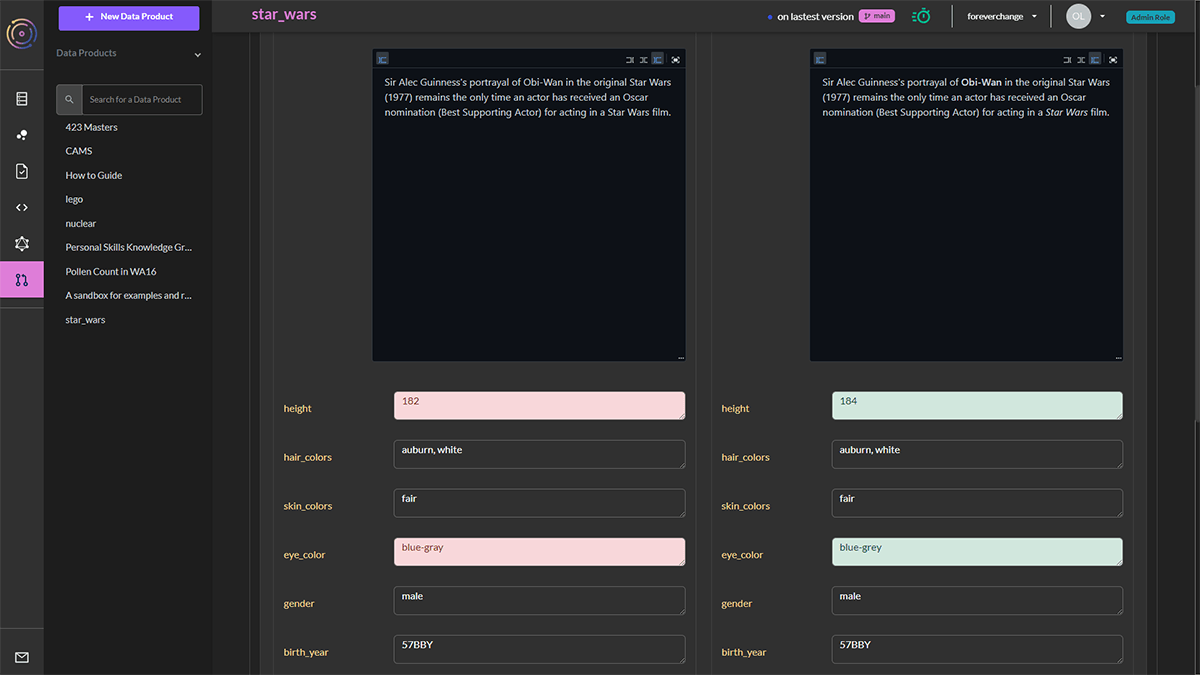
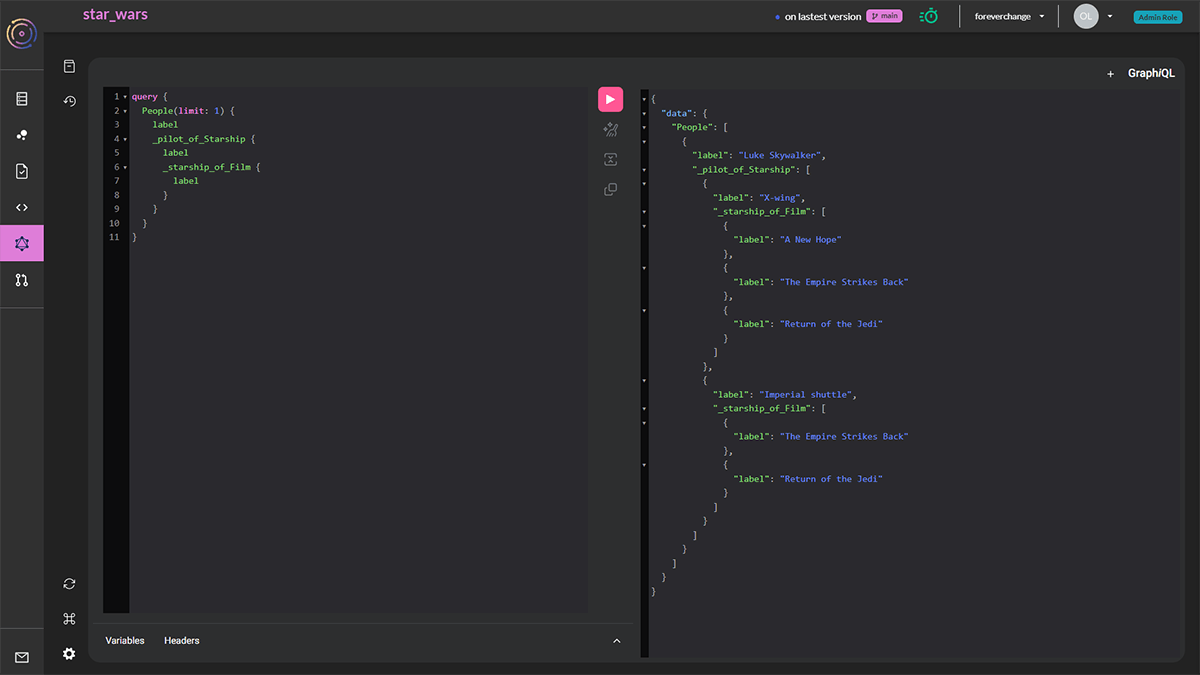
TerminusCMS sets itself apart through its graph-native architecture — content is not stored in isolated tables but as connected documents with typed relationships, giving developers a richer API layer for querying and discovering information. The platform serves content through both GraphQL and REST endpoints, supporting flexible integration with any frontend framework or application. Its built-in version control system operates similarly to Git, allowing teams to branch content, work in parallel, and merge changes through structured change request workflows with visual diffs. Schema definitions can be managed through code or the admin UI, and they auto-generate document forms, eliminating repetitive interface development.
Use Cases and Target Audience
TerminusCMS targets developers and enterprises managing complex, interconnected content infrastructures — particularly in sectors like supply chain, pharmaceutical, regulatory compliance, and large-scale knowledge management. It suits organizations where content management demands extend beyond simple publishing into scenarios requiring semantic data relationships, cross-domain content discovery, and collaborative governance workflows.