

Squidex
Scalable open source headless CMS
Overview
Squidex is an open-source headless CMS built on .NET. It manages structured content and delivers it through REST and GraphQL APIs. Developers define schemas to model content and use the APIs to integrate with web or mobile applications. Squidex provides a web-based admin interface for content editing and supports role-based permissions. It can be self-hosted or used as a hosted service. The project is maintained publicly on GitHub and is designed for teams building API-driven applications.
MIT
Best for:
Features
Pricing
Compatible Technologies
Technical Features
Community
Enterprise Features
Multi-tenant Support
Squidex supports multi-tenant setups by allowing multiple apps within a single installation. Each app has its own schemas, content, and permissions.
Scalability
Horizontal scaling and high-availability deployments
Security & Compliance
Find Squidex Experts
Looking for professional help with your Squidex project? Here are top certified agencies and developers.
Top Agencies

Alpina Tech
#1 RecommendedCraft custom, responsive websites using expert code and stunning design. Build your site with a flexible CMS and premium hosting to boost your digital presence.

10x Media
10x Media is a boutique web development agency located in Bavaria (Germany) with additional hubs in Sofia (Bulgaria) and Santiago (Chile). We’re a core team of 8 people, and we don’t just code: we combine strategy, design, development, and project management, covering everything needed to bring high-impact digital solutions to life.

NOTUM
#1 RecommendedWe are CMS-centered agency with 7 years of CMS experience. We build scalable corporate websites for scale-ups with headless CMS solutions. From design to deployment, we deliver complete, reliable support.

.NFQ | Netzfrequenz GmbH
We are a Germany-based digital agency specializing in innovative and data-driven solutions across the entire customer journey. With a strong foundation in technology, strategy, and creativity, we craft tailored digital experiences that enhance brand presence and business growth.

GRANITE
We are a global digital transformation partner with over 160 industry experts, delivering comprehensive digital solutions across experience design, technology engineering, digital marketing, brand innovation, and video production.
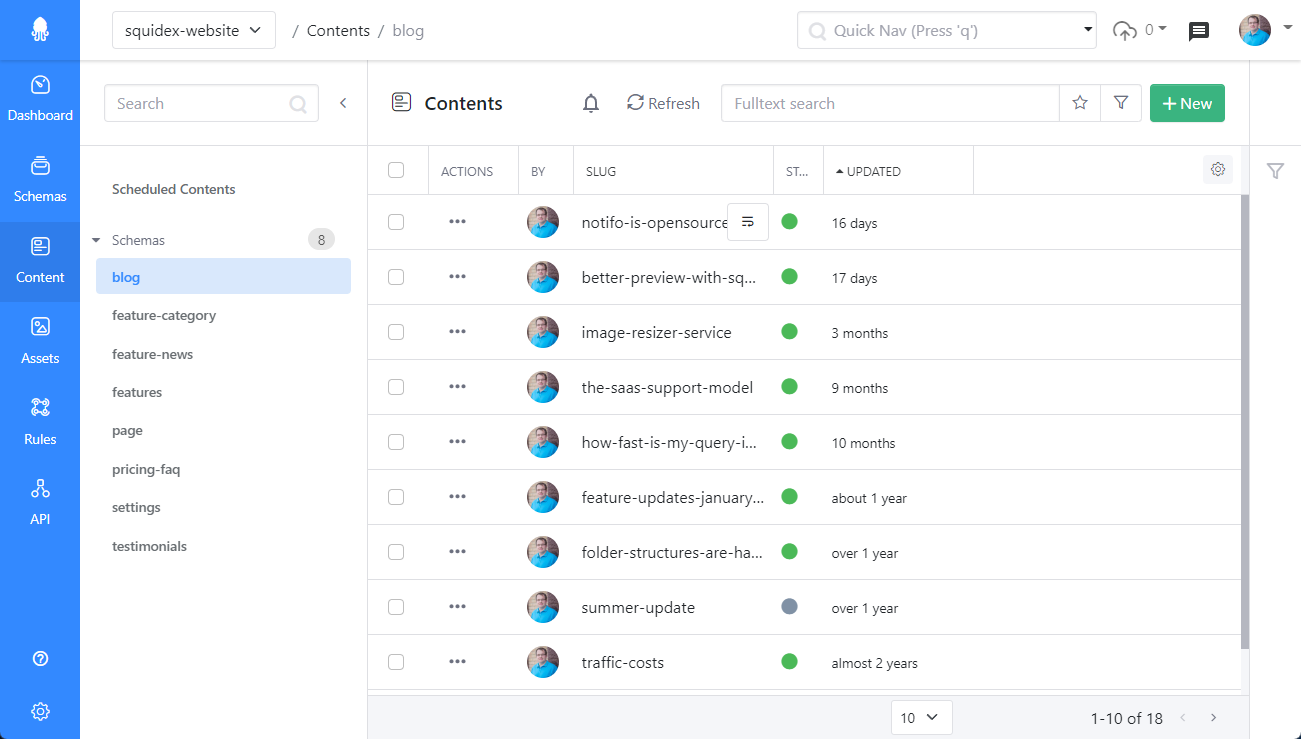
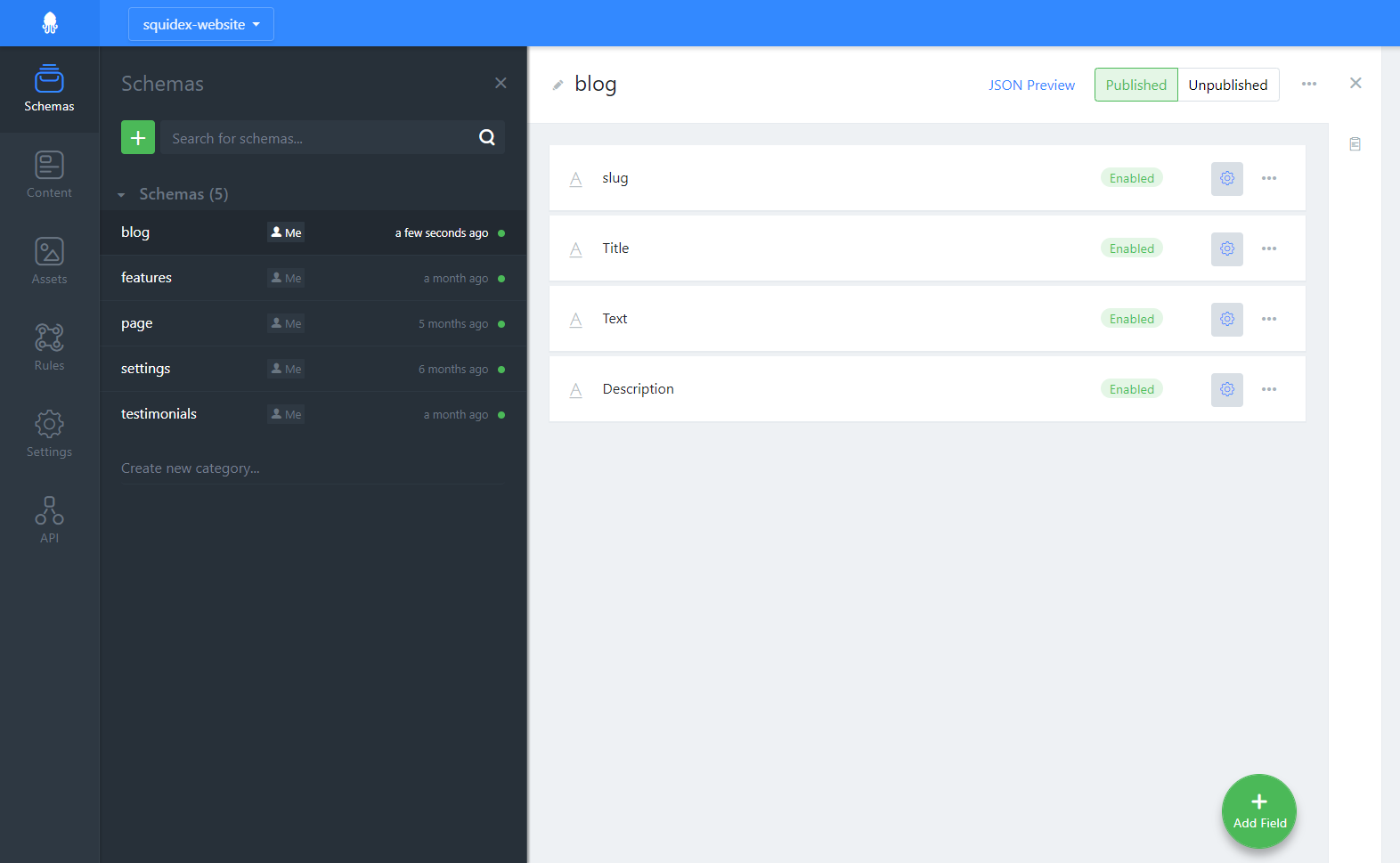
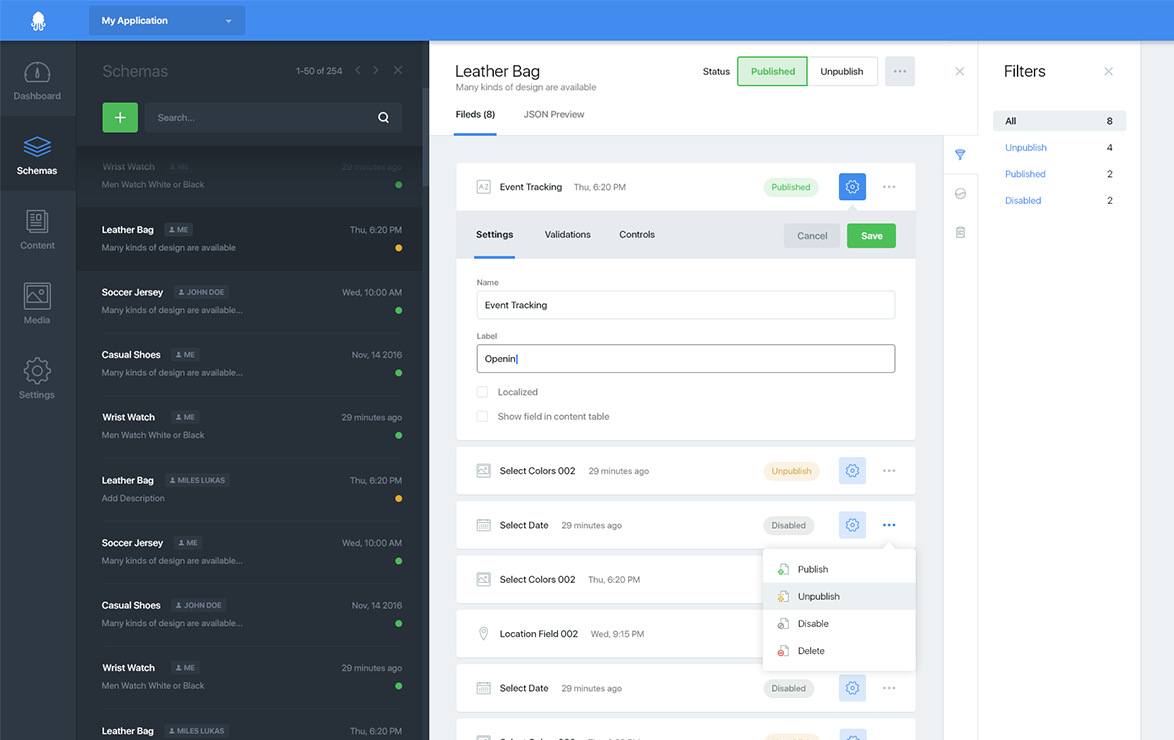
Squidex is an open-source headless CMS built with ASP.NET Core and designed around an API-first philosophy, offering both self-hosted and cloud-hosted deployment options. It provides a structured content management platform where every piece of content is accessible through REST and GraphQL endpoints, making it a versatile backend for websites, mobile applications, and digital products.
Key Features and Benefits
Squidex delivers a robust content modeling system with support for complex field types, nested schemas, references between content items, and asset management with built-in image editing capabilities. Its dual API approach — offering both REST and GraphQL — gives developers flexibility in how they query and consume content, while the scripting engine allows custom validation rules and content transformations to run server-side during create and update operations. The platform includes a rich rule system for triggering webhooks, sending notifications, and synchronizing content with external services, enabling sophisticated integration workflows without custom middleware. Squidex also supports multi-language content natively, with configurable fallback chains per language, and provides granular role-based permissions for managing editorial teams across multiple projects within a single installation.
Use Cases and Target Audience
Squidex suits developers and organizations looking for a self-hosted headless CMS with enterprise-grade features but without commercial licensing costs. It fits well in multilingual web projects, multi-brand content operations, and .NET-based technology stacks where teams need full ownership of their content management infrastructure while maintaining the flexibility to deliver content across diverse digital channels.