

sensenet
Single hub for all your content
Overview
sensenet is a single hub for all your content with a variety of features. Built on .NET with enterprise-grade capabilities.
GPL 2.0
Best for:
Features
Pricing
Compatible Technologies
Technical Features
Community
174
GitHub Stars
Enterprise Features
Multi-tenant Support
Manage multiple sites or projects from a single instance
Scalability
Horizontal scaling and high-availability deployments
Security & Compliance
Find sensenet Experts
Looking for professional help with your sensenet project? Here are top certified agencies and developers.
Top Agencies

Alpina Tech
#1 RecommendedCraft custom, responsive websites using expert code and stunning design. Build your site with a flexible CMS and premium hosting to boost your digital presence.

FocusReactive
#1 RecommendedWeb development agency with deep expertise in the headless CMS market.

NOTUM
#1 RecommendedWe are CMS-centered agency with 7 years of CMS experience. We build scalable corporate websites for scale-ups with headless CMS solutions. From design to deployment, we deliver complete, reliable support.

Alloy
Alloy is a marketing and transformation partner for the age of intelligence full of creative thinkers and problem solvers whose results-oriented work extends throughout the Americas, Europe and the Middle East.

10x Media
10x Media is a boutique web development agency located in Bavaria (Germany) with additional hubs in Sofia (Bulgaria) and Santiago (Chile). We’re a core team of 8 people, and we don’t just code: we combine strategy, design, development, and project management, covering everything needed to bring high-impact digital solutions to life.
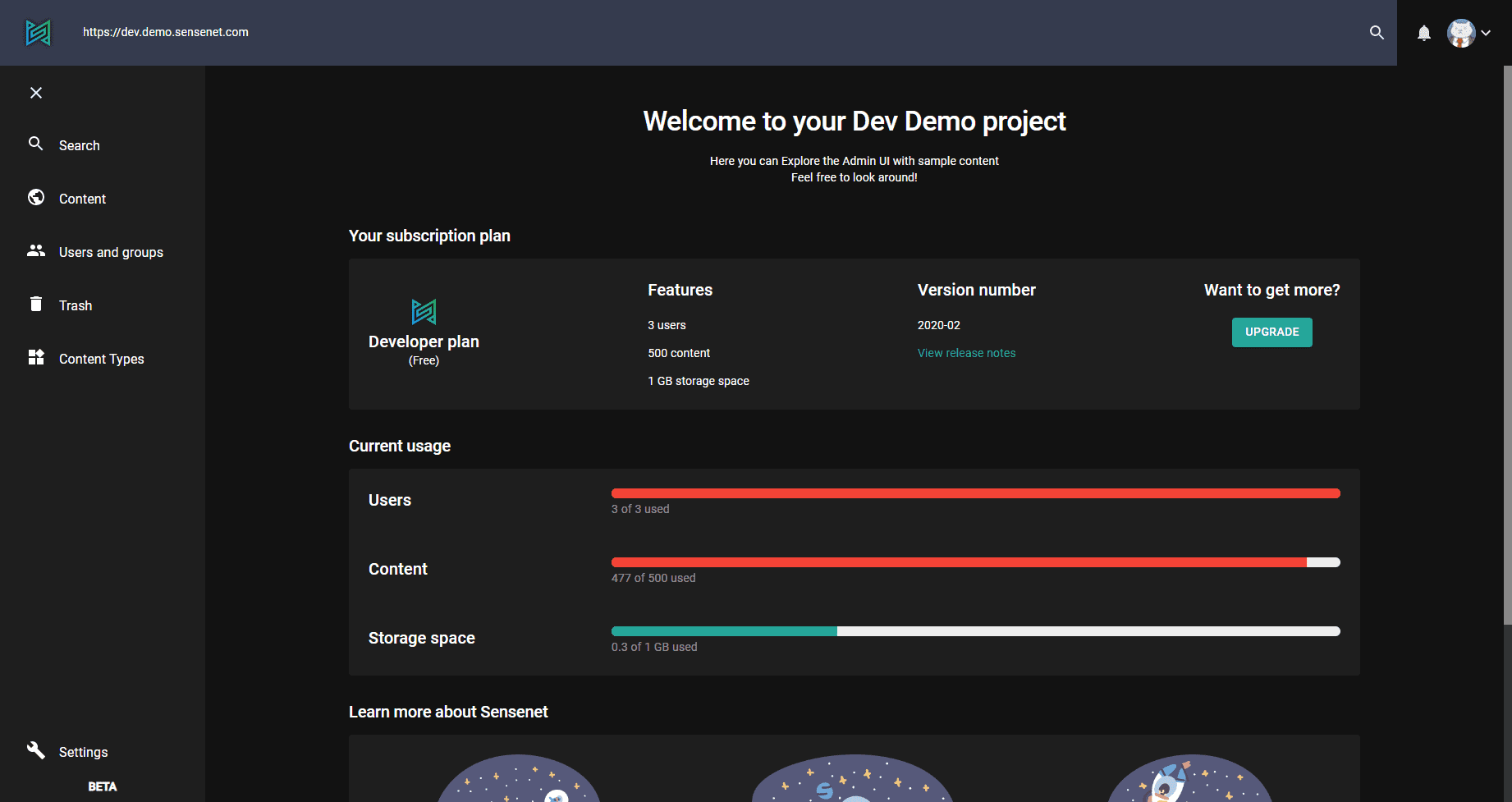
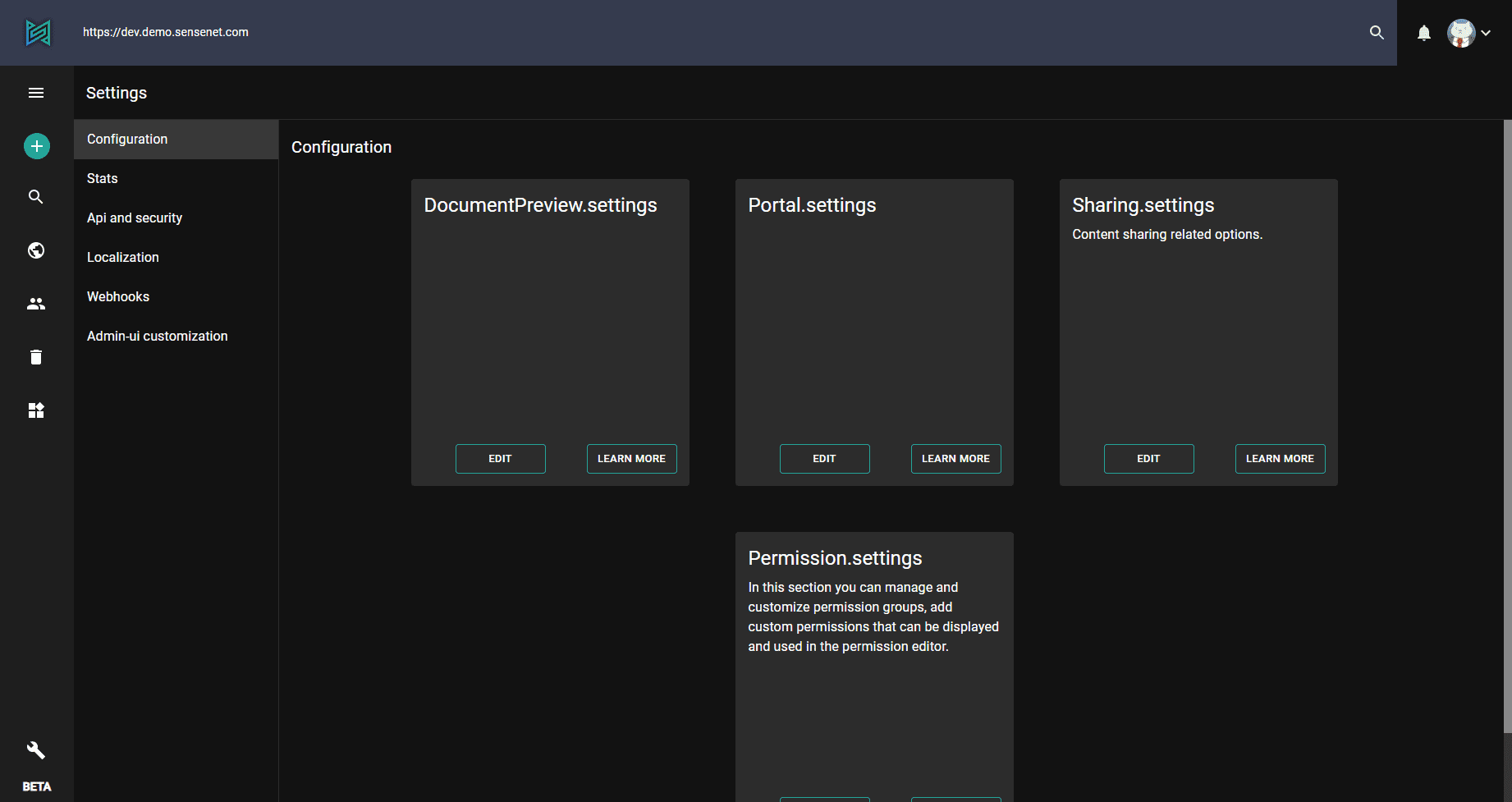
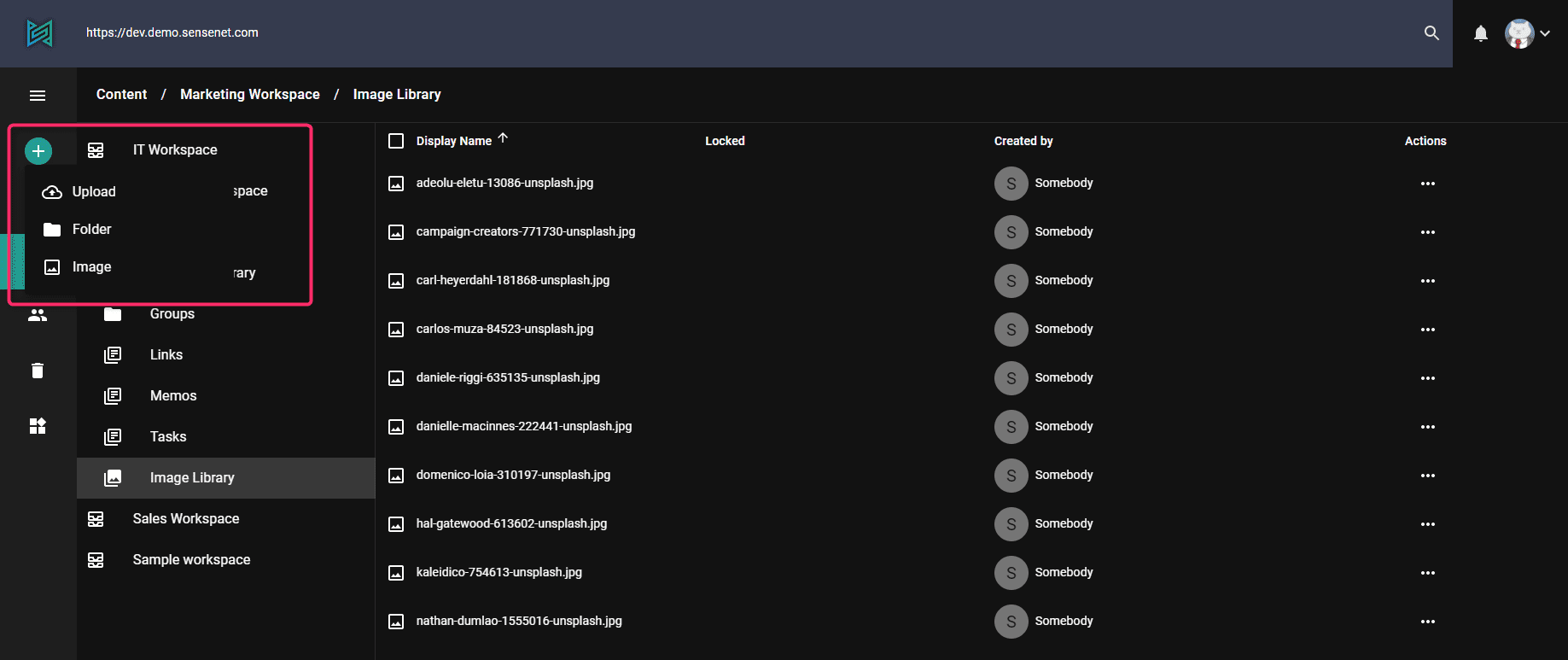
sensenet is an open-source content repository and headless CMS built on .NET, offering an API-first approach to content management. Available as a cloud-hosted service (SNaaS), it provides a centralized hub where content of any type — documents, tasks, users, workspaces — is stored, versioned, and delivered through a flexible OData-compliant REST API.
Key Features of sensenet
- API-first architecture with OData-compliant RESTful microservices for seamless integration with any frontend or external system
- Granular, tree-based permission system supporting complex enterprise access control scenarios
- Built-in document preview, annotation, and real-time collaboration tools for cross-functional teams
- Flexible content modeling with XML-based Content Type Definitions, field inheritance, automatic indexing, and version control
- Available as SaaS (SNaaS) with cloud infrastructure or as a self-hosted open-source installation
Who Should Use sensenet
sensenet is well suited for enterprises and mid-sized organizations that need a centralized content services platform capable of powering multiple applications — websites, intranets, mobile apps, and internal tools — from a single repository. Its strong permission model and collaboration features make it particularly effective for teams managing document-heavy workflows, legacy system integrations, and multi-channel content delivery at scale.