

jsHarmony CMS
Static CMS with in-page editing
Overview
jsHarmony CMS is a static Node.js CMS with in-page editing that can be dynamically injected into your static app. Enterprise features included.
LGPL 3.0
Best for:
Features
Pricing
Compatible Technologies
 PostgreSQL
 SQLite
14.x+
Node.js
Technical Features
Community
8
GitHub Stars
Enterprise Features
Multi-tenant Support
Manage multiple sites or projects from a single instance
Scalability
Horizontal scaling and high-availability deployments
Security & Compliance
Find jsHarmony CMS Experts
Looking for professional help with your jsHarmony CMS project? Here are top certified agencies and developers.
Top Agencies

Alpina Tech
#1 RecommendedCraft custom, responsive websites using expert code and stunning design. Build your site with a flexible CMS and premium hosting to boost your digital presence.

Alloy
Alloy is a marketing and transformation partner for the age of intelligence full of creative thinkers and problem solvers whose results-oriented work extends throughout the Americas, Europe and the Middle East.

.NFQ | Netzfrequenz GmbH
We are a Germany-based digital agency specializing in innovative and data-driven solutions across the entire customer journey. With a strong foundation in technology, strategy, and creativity, we craft tailored digital experiences that enhance brand presence and business growth.

Tentwenty Digital Agency
Tentwenty Digital Agency specializes in addressing complex client challenges through a combination of cutting-edge UI/UX design and seamless technical integration.

FocusReactive
#1 RecommendedWeb development agency with deep expertise in the headless CMS market.
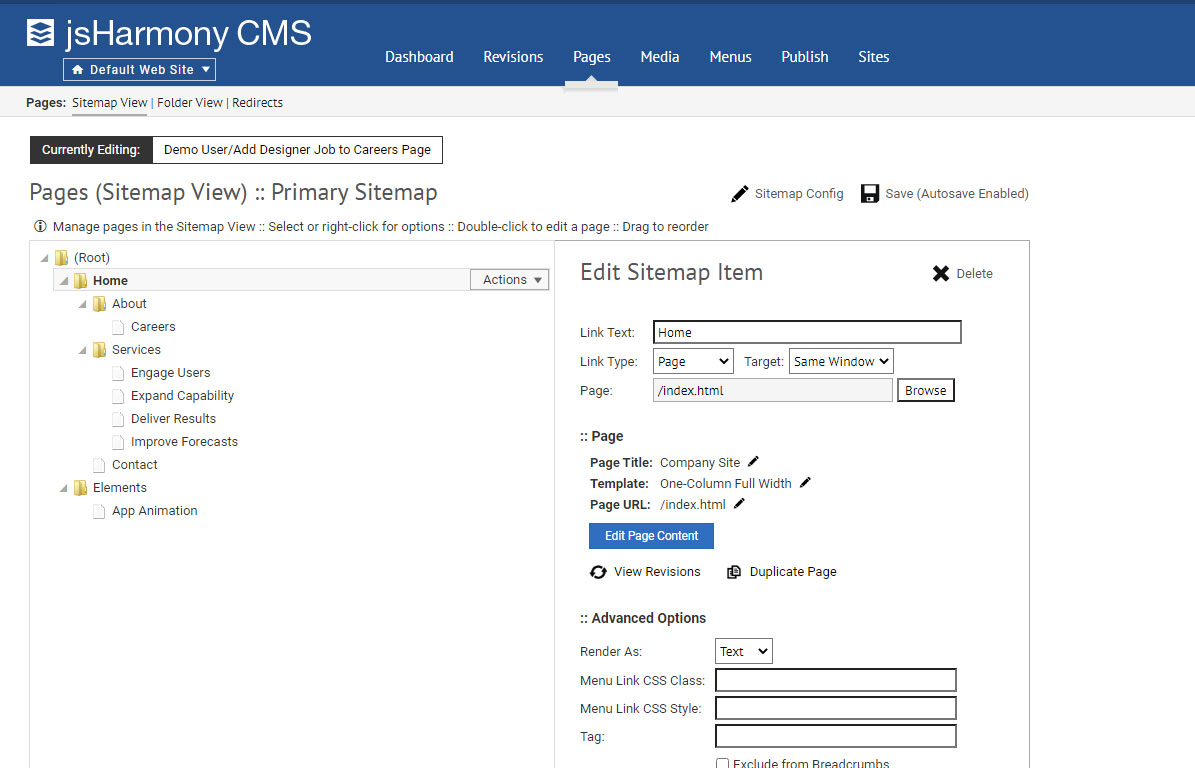
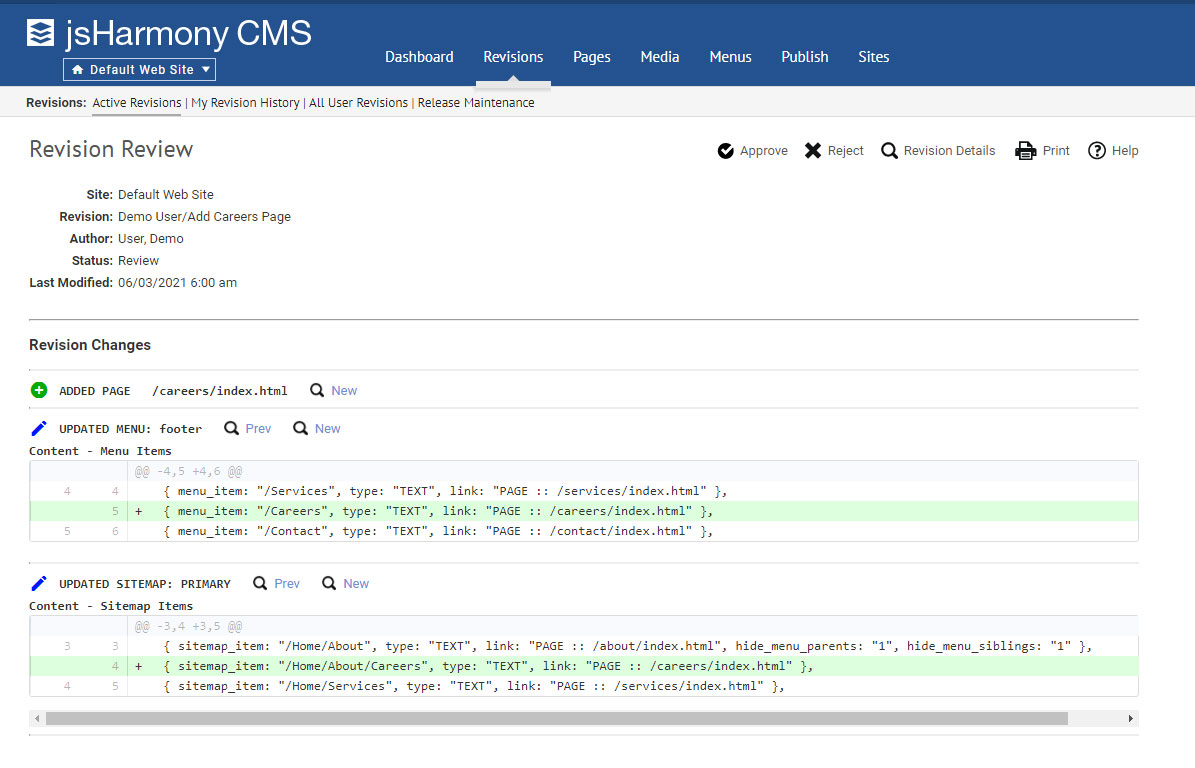
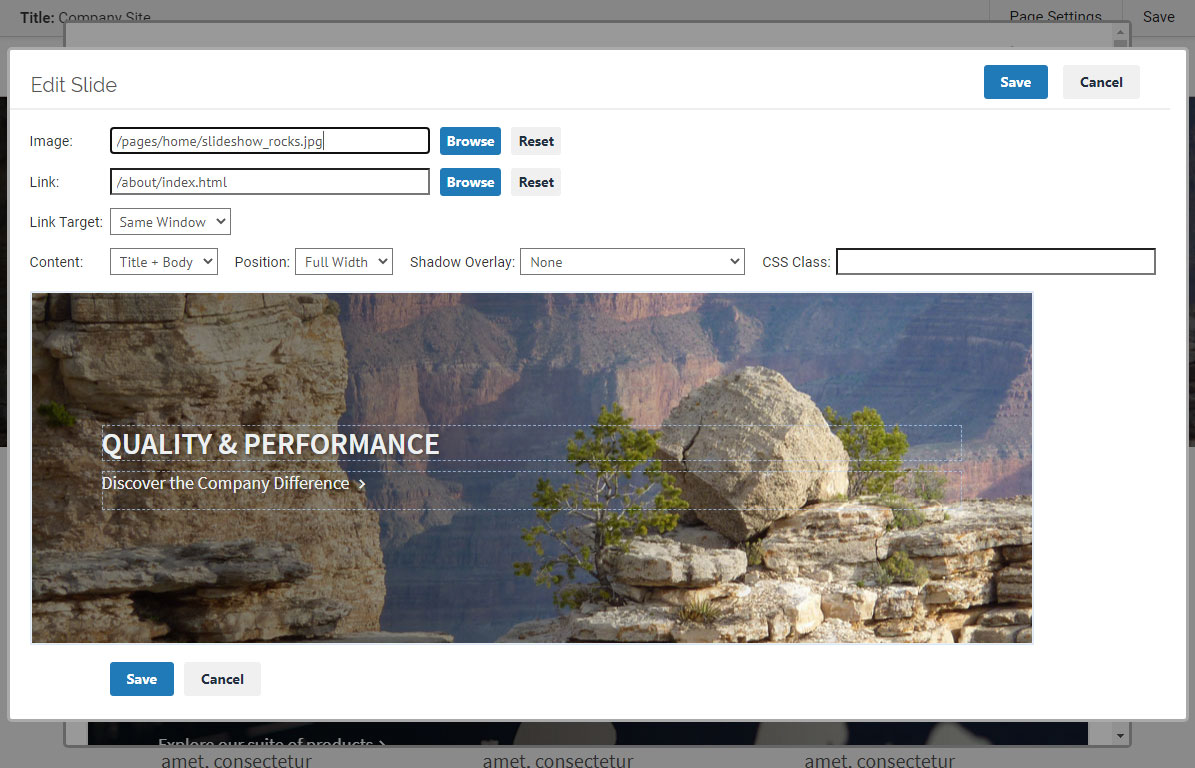
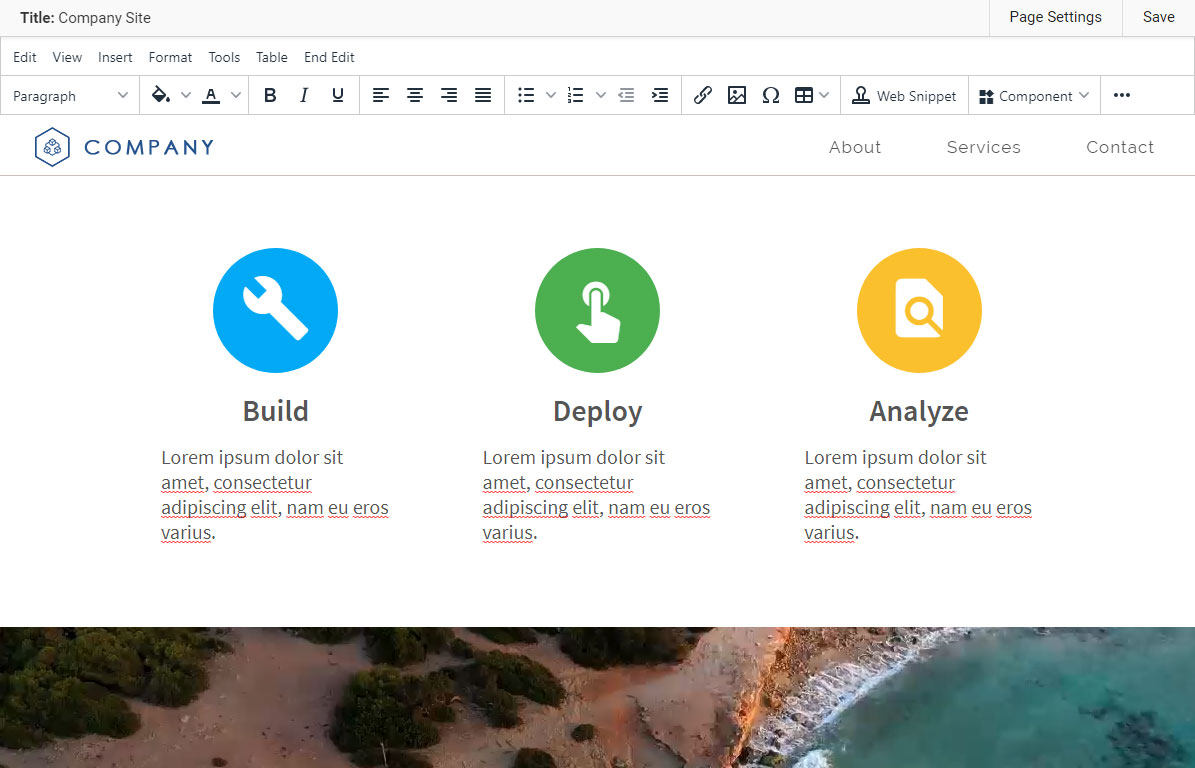
jsHarmony CMS is an open-source, static headless CMS built on Node.js, developed by apHarmony. It focuses on combining static site generation with true in-page WYSIWYG editing, allowing content teams to visually manage pages that are then published as static files to any deployment target.
Key Features of jsHarmony CMS
- Built-in static site generator that outputs plain HTML and JSON for fast, secure delivery
- True in-page WYSIWYG editor that can be injected into any existing website or web application
- Support for SQLite, PostgreSQL, and MSSQL database backends
- Version control and multiple deployment targets (local, staging, production) out of the box
- Self-hosted architecture with full control over data and infrastructure
Who Should Use jsHarmony CMS
jsHarmony CMS is a solid option for Node.js developers who need to add content management to an existing static site or web application without replacing the current tech stack. It works well for teams that prioritize static publishing for performance and security, while still needing a visual editing experience for non-technical content editors.