

Ghost
Modern Publishing Platform for Content Creators
Overview
Ghost is an open-source publishing platform for blogs, publications, and newsletters, offering built-in memberships and subscriptions. It can be used as a traditional CMS or as a headless CMS through its API for custom frontends.
MIT
Best for:
Features
Pricing
Compatible Technologies


 MySQL
MySQL SQLite


2+ cores
CPU
4 GB+
RAM
32 GB+
Disk
18.x, 20.x
Node.js
Technical Features
Community
51.7
GitHub Stars
10k/week
NPM Downloads
2026-02-02
Last Update
Enterprise Features
Scalability
Horizontal scaling and high-availability deployments
Dedicated Support
Dedicated support and infrastructure management are provided through Ghost(Pro), the official managed hosting service.
99.9% Uptime SLA
Enterprise-grade reliability and uptime guarantees
Security & Compliance
Compliance Certifications
* Compliance depends on the hosting and deployment model. Ghost itself does not provide compliance certifications.
Find Ghost Experts
Looking for professional help with your Ghost project? Here are top certified agencies and developers.
Top Agencies

Alpina Tech
#1 RecommendedCraft custom, responsive websites using expert code and stunning design. Build your site with a flexible CMS and premium hosting to boost your digital presence.

NOTUM
#1 RecommendedWe are CMS-centered agency with 7 years of CMS experience. We build scalable corporate websites for scale-ups with headless CMS solutions. From design to deployment, we deliver complete, reliable support.

FocusReactive
#1 RecommendedWeb development agency with deep expertise in the headless CMS market.

Alloy
Alloy is a marketing and transformation partner for the age of intelligence full of creative thinkers and problem solvers whose results-oriented work extends throughout the Americas, Europe and the Middle East.

.NFQ | Netzfrequenz GmbH
We are a Germany-based digital agency specializing in innovative and data-driven solutions across the entire customer journey. With a strong foundation in technology, strategy, and creativity, we craft tailored digital experiences that enhance brand presence and business growth.
Ghost is an open-source publishing platform built on Node.js, released
under the MIT license. It pairs a rich editor with built-in membership
and newsletter tools, while exposing all content through a RESTful JSON
API. Ghost works as both a traditional CMS with Handlebars themes and
a fully headless backend for custom front-ends.
Key Highlights
- Content API and Admin API with JavaScript SDKs
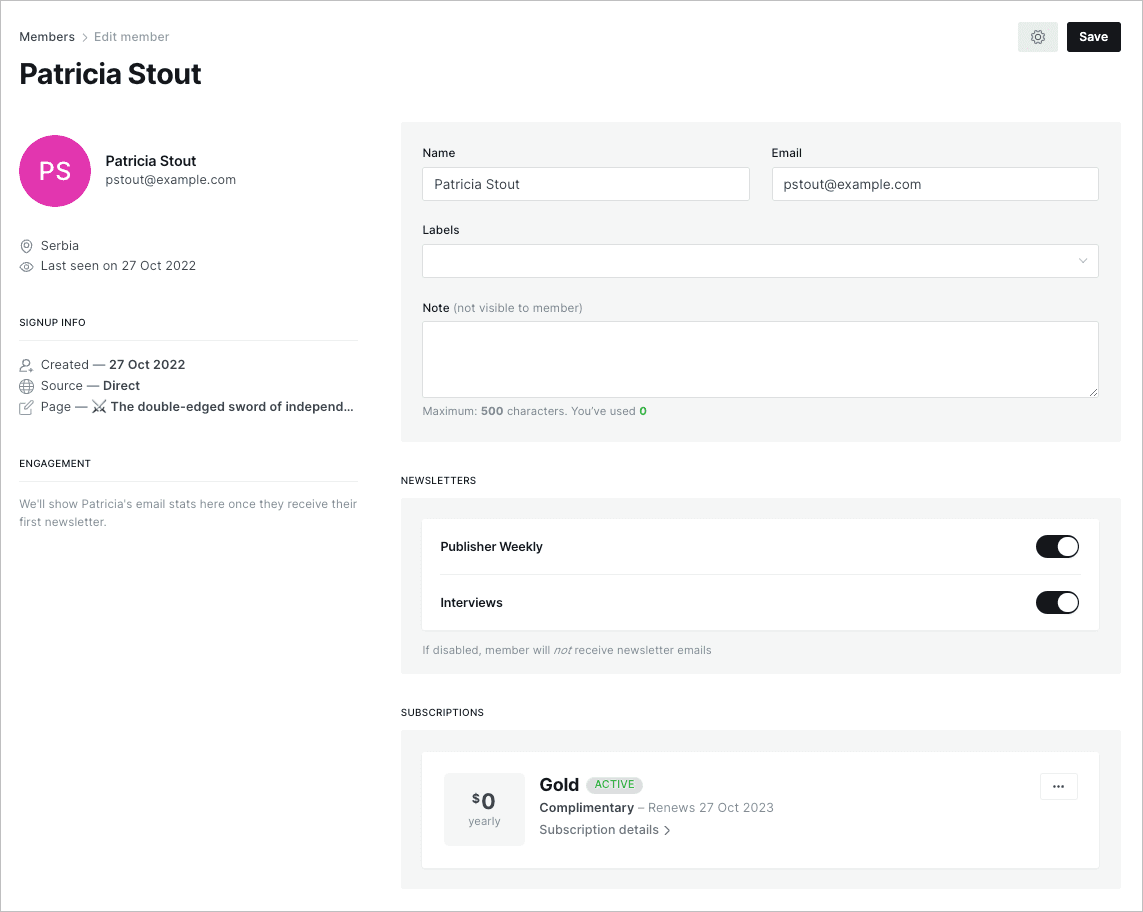
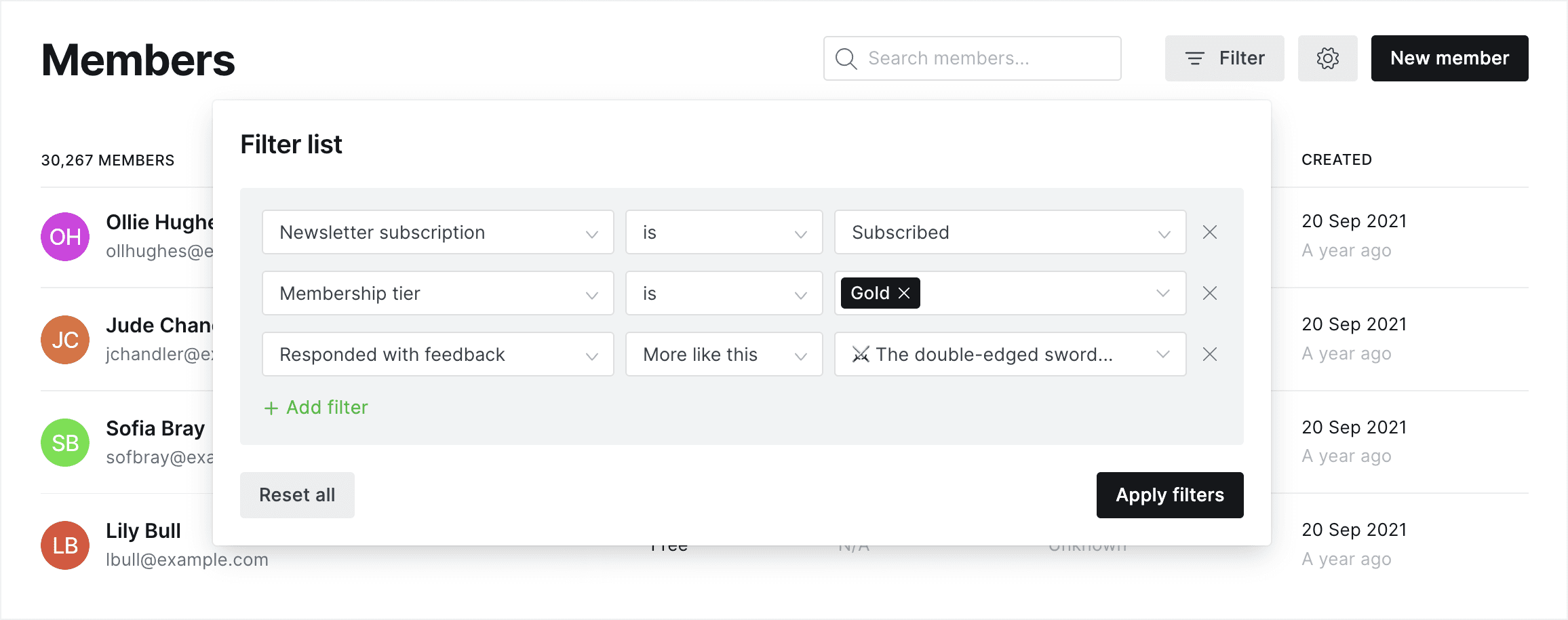
- Native memberships, paid subscriptions, and email newsletters
- Open-source Node.js core with MIT license
Why It Fits Jamstack Workflows
- The read-only Content API delivers published posts, pages, tags, and authors as JSON, authenticated via API key and designed to be fully cacheable
- Outgoing webhooks fire on publish, update, and delete events, triggering static site rebuilds or external service calls automatically
Typical Implementations
- Independent creator publications
- Company blogs and content marketing sites
- Paid newsletter and membership platforms
- Documentation and editorial portals
Setup Snapshot
Hosting: "Self-hosted or Ghost(Pro) managed cloud service"
Content: "Posts and pages authored in a card-based rich editor"
Delivery: "RESTful Content API and Admin API with webhooks"
Notes
- Self-hosted production requires Node.js and MySQL 8; SQLite is supported only in development mode
- No GraphQL API — content delivery and management are REST-only