

Contento
Headless CMS focused on websites
Overview
Contento is the only headless CMS focused on building websites. Stunning modern design with quick start templates.
Best for:
Features
Pricing
Compatible Technologies
Technical Features
Community
Enterprise Features
Multi-tenant Support
Manage multiple sites or projects from a single instance
Scalability
Horizontal scaling and high-availability deployments
Security & Compliance
Find Contento Experts
Looking for professional help with your Contento project? Here are top certified agencies and developers.
Top Agencies

Alpina Tech
#1 RecommendedCraft custom, responsive websites using expert code and stunning design. Build your site with a flexible CMS and premium hosting to boost your digital presence.

FocusReactive
#1 RecommendedWeb development agency with deep expertise in the headless CMS market.

Tentwenty Digital Agency
Tentwenty Digital Agency specializes in addressing complex client challenges through a combination of cutting-edge UI/UX design and seamless technical integration.
Successive Digital
#1 RecommendedSuccessive Digital is a modern technology consulting partner built for enterprises that want to scale with confidence.

NOTUM
#1 RecommendedWe are CMS-centered agency with 7 years of CMS experience. We build scalable corporate websites for scale-ups with headless CMS solutions. From design to deployment, we deliver complete, reliable support.
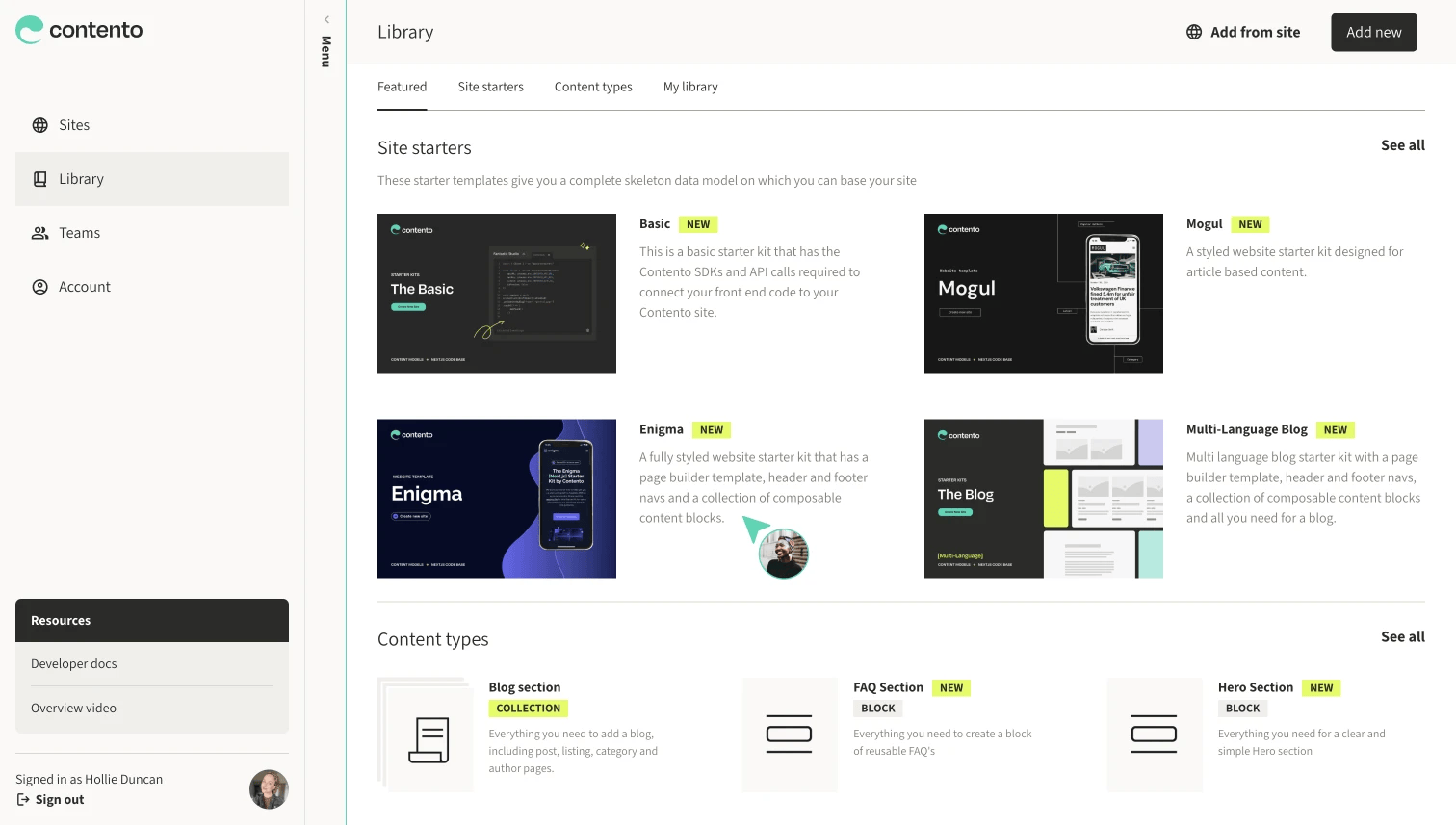
Contento is a cloud-based headless CMS built exclusively for website projects. Developed by a team based in Ireland, it combines an API-first content platform with website-specific features like visual preview, SEO tooling, and URL management — positioning itself as a focused alternative to broader, platform-agnostic headless CMS solutions.
Key Features of Contento
- REST Content API delivering structured JSON with token-based authentication and site-scoped queries
- Visual page preview allowing editors to see how content renders before publishing
- Built-in SEO management with meta fields, URL handling, and image optimization via a global CDN
- Flexible content modeling with reusable content types, page builder components, and composable content blocks
- Multi-language internationalization support and official Next.js SDK with pre-built starter kits (React + Tailwind CSS)
Who Should Use Contento
Contento suits small to mid-size development teams and digital agencies building marketing websites, blogs, or documentation portals where website-focused features matter more than omnichannel delivery. It is a practical choice for Next.js-based projects where both developers and non-technical editors need a streamlined workflow — particularly B2B and SaaS companies looking for a managed CMS with a low barrier to entry.