

Burdy
Next-gen open-source headless CMS
Overview
Burdy is a next-gen open-source headless CMS written in 100% TypeScript. Modern architecture with great developer experience.
Best for:
Features
Pricing
Compatible Technologies
16.x+
Node.js
Technical Features
Community
Enterprise Features
Scalability
Horizontal scaling and high-availability deployments
Security & Compliance
Find Burdy Experts
Looking for professional help with your Burdy project? Here are top certified agencies and developers.
Top Agencies

Alpina Tech
#1 RecommendedCraft custom, responsive websites using expert code and stunning design. Build your site with a flexible CMS and premium hosting to boost your digital presence.

10x Media
10x Media is a boutique web development agency located in Bavaria (Germany) with additional hubs in Sofia (Bulgaria) and Santiago (Chile). We’re a core team of 8 people, and we don’t just code: we combine strategy, design, development, and project management, covering everything needed to bring high-impact digital solutions to life.
Successive Digital
#1 RecommendedSuccessive Digital is a modern technology consulting partner built for enterprises that want to scale with confidence.

Tentwenty Digital Agency
Tentwenty Digital Agency specializes in addressing complex client challenges through a combination of cutting-edge UI/UX design and seamless technical integration.
Alloy
Alloy is a marketing and transformation partner for the age of intelligence full of creative thinkers and problem solvers whose results-oriented work extends throughout the Americas, Europe and the Middle East.
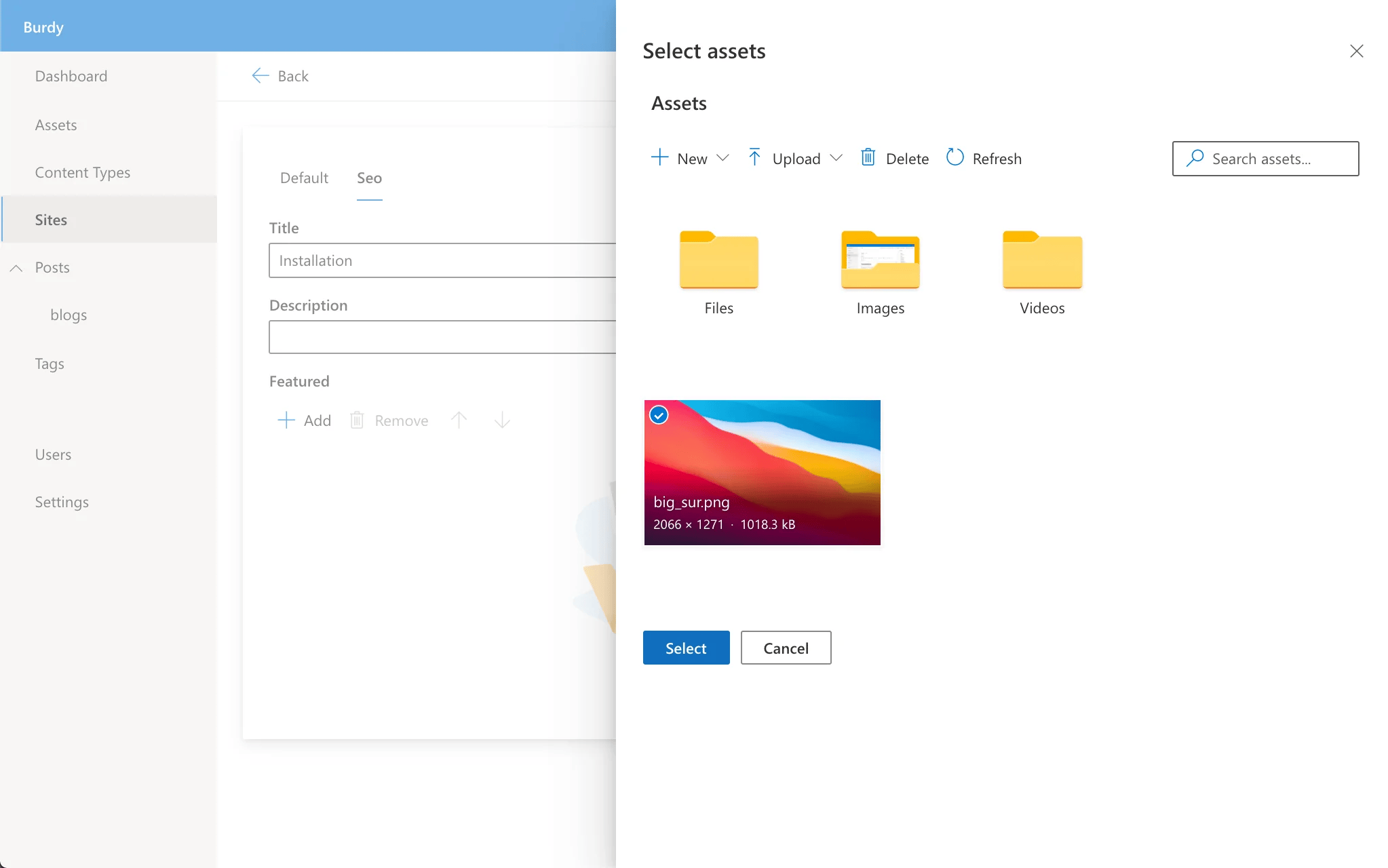
Burdy is an open-source, self-hosted headless CMS built entirely in TypeScript using Node.js and React. Inspired by WordPress's hook-and-action plugin architecture, it provides a highly extensible backend and admin interface while drawing its authoring experience from enterprise-level content platforms, giving editors a familiar hierarchical approach to organizing pages, posts, and digital assets.
Key Features of Burdy
- REST Content API with Redis support for high-throughput content delivery across environments
- Hook-based extensibility system allowing developers to customize both backend logic and admin UI without forking
- Support for SQLite, PostgreSQL, MySQL, and MariaDB databases via TypeORM, with file storage on local filesystem or AWS S3
- Built-in preview editor with live iframe-based rendering for omni-channel content previews
- Hierarchical content structure with multi-site management, localization support, and cross-environment content publishing
Who Should Use Burdy
Burdy suits Node.js development teams that need a self-hosted, customizable headless CMS with fine-grained control over the backend and admin experience. It is a practical choice for agencies or product teams managing multi-site or multi-language projects where extensibility through custom hooks — rather than a rigid plugin marketplace — is a priority, particularly for those comfortable with TypeScript-based workflows.